
Every day, millions of people perform jobs that require repetitive movements, lifting loads, or maintaining incorrect postures for many consecutive hours. Whether it’s a logistics operator, a craftsman, a nurse, a production worker, or a construction professional, the result is often the same: physical overload, muscle fatigue, and over time, the onset of true musculoskeletal disorders.
When work disrupts balance
Unregulated physical activity, especially when performed under load or in postural stress conditions, can disrupt the body’s natural balance. The body is designed to move in harmony, but incorrect postures and repeated loads disrupt this symmetry, leading to imbalances that affect the entire kinetic chain.
The most common consequences include:
• Cervical pain and neck muscle tension
• Lower back pain and discomfort in the lower back area
• Cartilage degeneration in joints subjected to stress
• Circulatory disorders, caused by prolonged static positions
• Joint stiffness and reduced functional mobility
Biomechanics and prevention: a fundamental duo
The biomechanical study of postures is one of the most effective tools for understanding where, how, and why these imbalances develop. By analyzing daily gestures, positions maintained during work, and repetitive movements, it is possible to identify stress points and intervene in a targeted manner.
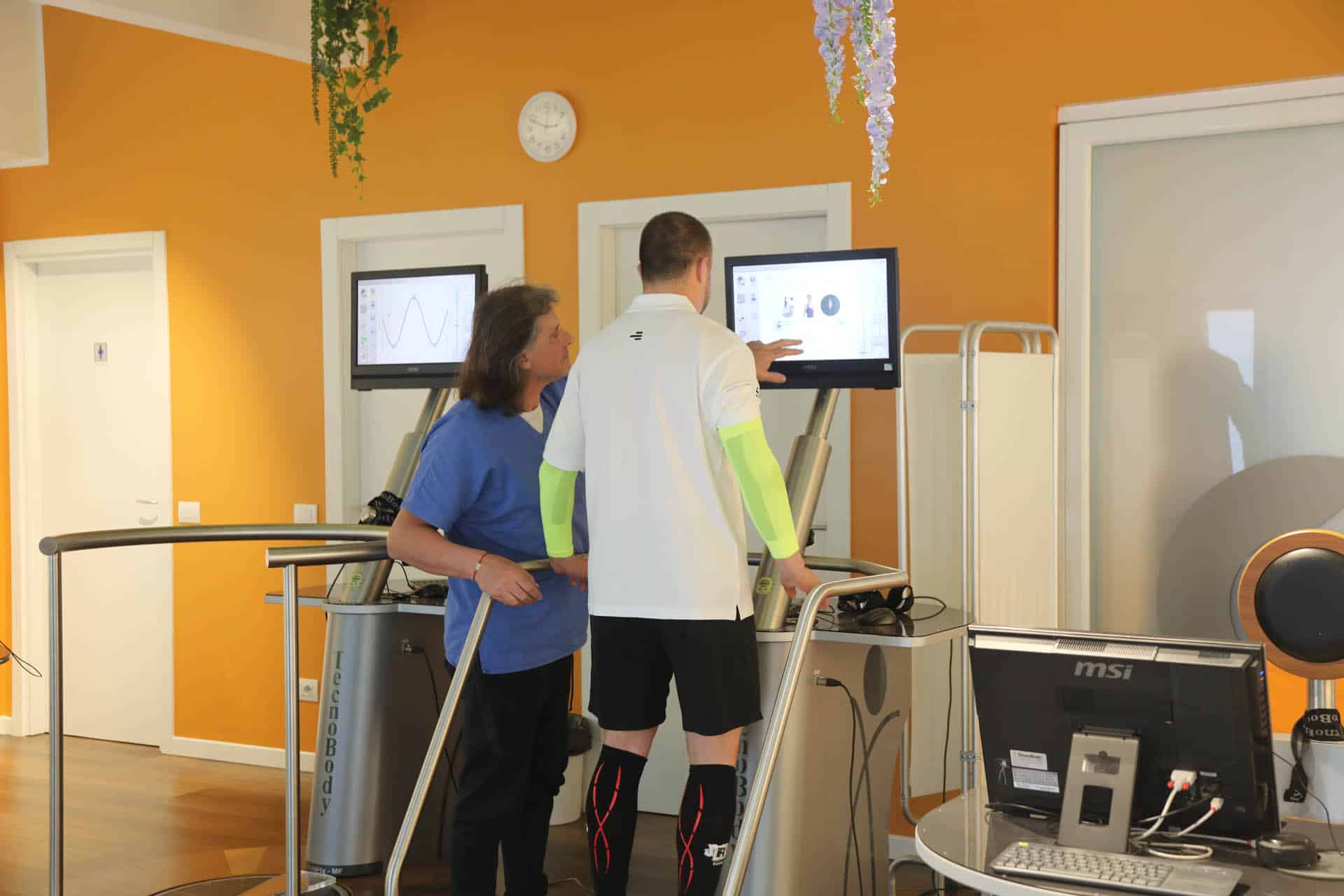
At Revenge Lab, we use advanced evaluation technologies to observe in real-time joint and muscle behaviors, check for postural asymmetries, analyze load distribution, and monitor motor control levels in the most at-risk areas.
Proprioceptive supports for upper and lower limbs
In parallel with the study and evaluation, the use of specific supports for the upper and lower limbs can make a difference in prevention and recovery. These tools help to:
• Stabilize joints during work activity
• Stimulate proprioception, improving movement control
• Reduce the impact of loads on the most vulnerable areas
• Facilitate recovery after periods of overload or injury
The best approach is a personalized one: every person, every task, every load requires a targeted analysis and customized support.
From early intervention to a culture of prevention
Chronic pain and overload disorders should not be considered inevitable. Intervening early, before discomfort becomes a permanent condition, is crucial.
Promoting a culture of prevention means investing in health, productivity, and quality of life. Biomechanical assessments, targeted training programs, and functional supports represent the safest path for those who work every day putting their body to the test.
